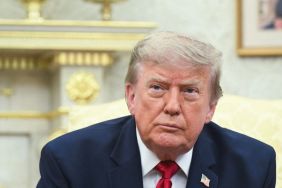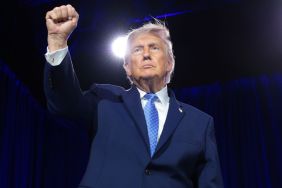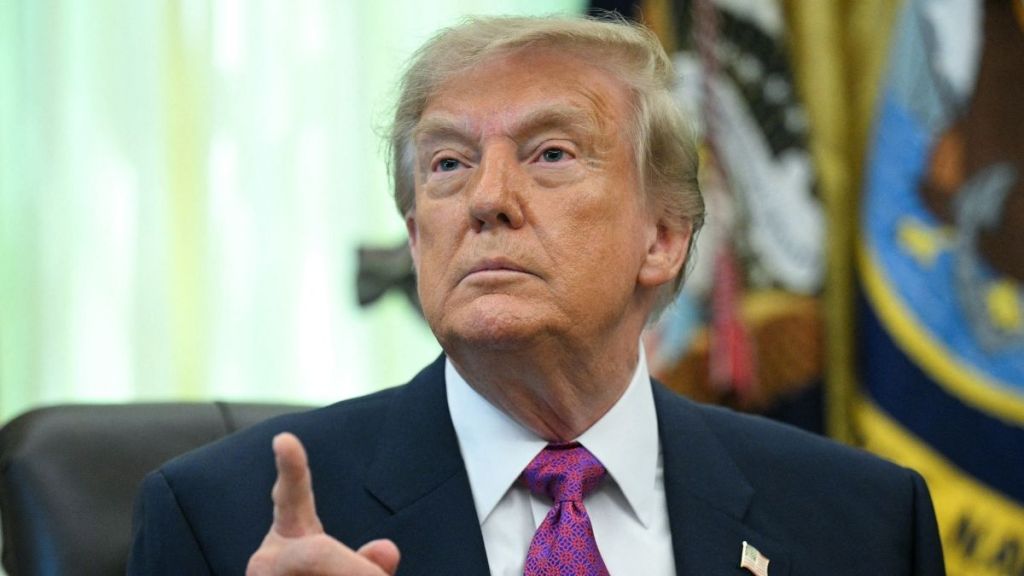
The Donald Trump administration stepped into OpenAI’s growing copyright battle with a major show of support. Federal officials argued that AI companies could generally rely on fair use when training models with copyrighted material.
The move added Washington’s weight to a legal fight involving The New York Times and other copyright owners. It also raised the stakes for ChatGPT and the broader AI industry as courts weighed how copyright law should apply to artificial intelligence.
Trump administration argues AI training on copyrighted material can be protected by fair use
According to Reuters, the Trump administration filed a brief in Manhattan federal court supporting OpenAI. The filing marked the first known federal government intervention in the growing wave of AI copyright lawsuits. The brief argued that training large language models could qualify as fair use. It also warned that restricting AI development could hurt scientific progress, national security and the U.S. economy.
“The United States has a strong interest in this court rejecting any argument that training LLMs on copyrighted texts violates copyright law,” the brief stated.
U.S. Associate Attorney General Stanley Woodward also defended the administration’s position. “AI dominance is critical to promote national security, prosperity, and economic mobility for all Americans,” Woodward said in a statement posted to X.
He added that the administration would not allow the country to fall behind foreign competitors. Woodward called opposing AI training under copyright law a “plainly incorrect understanding of copyright law.”
Commerce Secretary Howard Lutnick delivered a similar message to G20 officials. He urged countries to embrace fair use while finding ways to “protect artists.”
The New York Times first sued OpenAI and Microsoft in 2023. The lawsuit accused both companies of using millions of newspaper articles without permission to train OpenAI’s chatbot. That case joined dozens of other lawsuits from authors, publishers, music companies and news organizations. They accused OpenAI, Anthropic, Meta and other technology companies of misusing copyrighted work.
The central question remained whether AI training created sufficiently transformative uses of copyrighted material. Two judges previously reached different conclusions when considering that issue. The government sided with technology companies on one key point. It argued that AI training remained “extraordinarily” transformative.
The brief also highlighted breakthroughs from LLMs across scientific fields. Officials warned that limiting development could hinder American prosperity and economic mobility.